

To acquire CE credit for this episode, listen here.
Acute Kidney Injury (AKI), formally Acute Renal Failure (ARF), is a prevalent disease process that affects over 50% of ICU admissions. AKI is not only caused by a variety of etiologies, but it can be hard to clearly define depending on your diagnostic capabilities. Tune in to this next podcast episode where we are joined by Dan “Analogy King” Rauh for a general discussion of AKI. We touch on fractional excretion of sodium (FENa) versus BUN/Creatinine ratio, mixed venous oxygenation saturation (SvO2), and when they matter. Still administering “renal dose” Dopamine? Make sure you listen until the end of the episode!

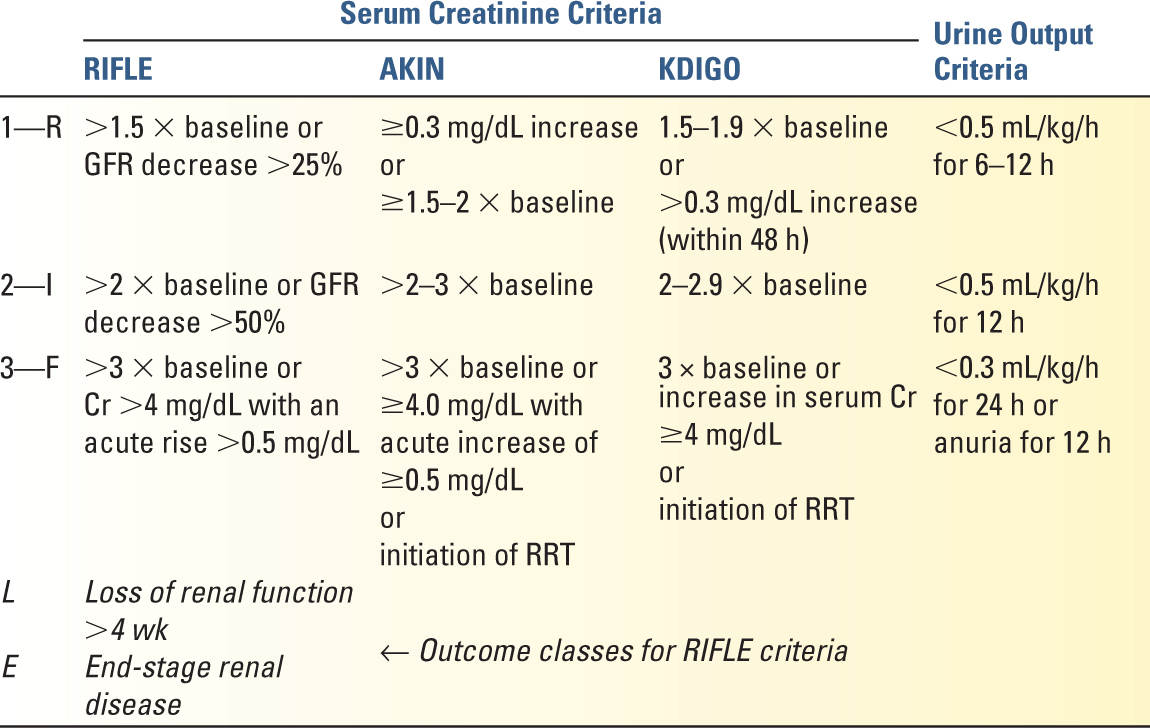
Acute Kidney Injury. (2016, October 12). Retrieved from https://aneskey.com/acute-kidney-injury-8/
Hoste, E., Bagshaw, S. M., Bellomo, R., Cely, C. M., Colman, R., Cruz, D. N., . . . Forni, L. G. (2015). Epidemiology of acute kidney injury in critically ill patients: The multinational AKI-EPI study. Intensive Care Medicine, 41(8), 1411-1423. Retrieved from https://link.springer.com/article/10.1007/s00134-015-3934-7.
Yassin, A. R., Sherif, H. M., Mousa, A. Y., & Esmat, A. (2013). Comparison between fractional excretion of sodium and fractional excretion of urea in differentiating prerenal from renal azotemia in circulatory shock. The Egyptian Journal of Critical Care Medicine, 1(2), 69-77. Retrieved from https://www.sciencedirect.com/science/article/pii/S2090730313000297.


