
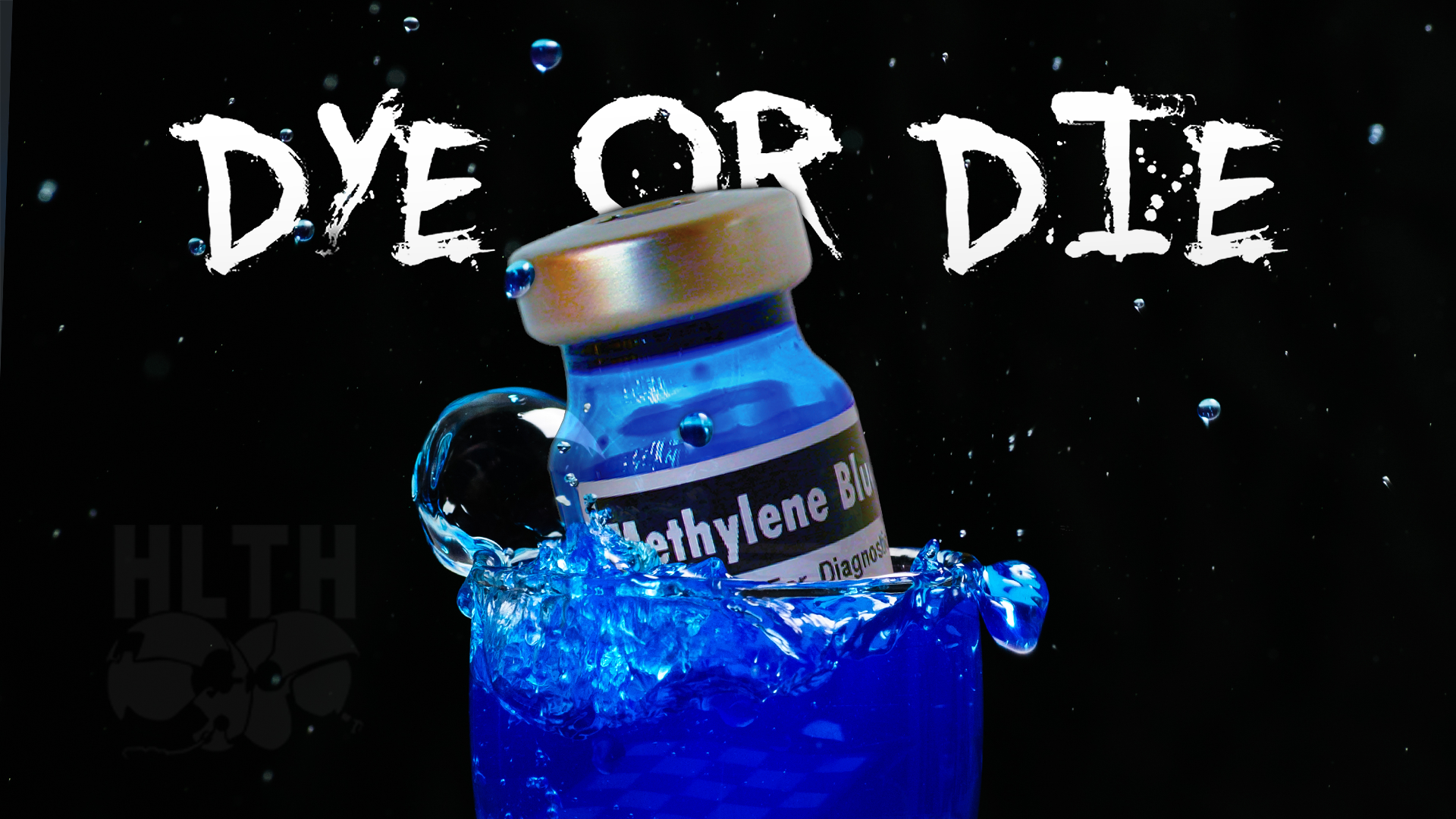
When discussing methylene blue, management and treatment of methaemoglobinaemia is usually the first indication mentioned. But in this podcast, we challenge you to increase the size of your lense and focus on its benefits in other states (e.g., septic shock). Of course, we could not do this alone, so we invited a Flight Paramedic, Pharmacist, Toxicologist, and Professor to join us. And fortunately for us, they are all the same person.
Tune in as Will Heuser helps us discuss the pathophysiology of distributive shock, the pharmacodynamics and pharmacokinetics of methylene blue related to its effects on endothelial relaxation, and how this simple dye goes beyond that of salvage therapy when a patient has high vasopressor requirements.
Guest

William Heuser is a clinical critical care pharmacist, course director/clinical professor of pharmacology, clinical toxicologist and certified flight paramedic/firefighter. William has presented at several national conferences across the United States and has extensive research experience in resuscitative medicine with several publications in peer-reviewed journals. As a clinical toxicologist at the Feinstein Institute for Medical Research at Northwell Health, his research focuses on the acute resuscitation of critically ill and dying patients. A current focus of his research focuses on the development of novel pharmacological cocktails coupled with emergency cardiopulmonary bypass to save the lives of patients who fail traditional advanced cardiovascular life support (ACLS) treatment.
Ibarra-Estrada, M., Kattan, E., Aguilera-González, P. et al. Early adjunctive methylene blue in patients with septic shock: a randomized controlled trial. Crit Care 27, 110 (2023). https://doi.org/10.1186/s13054-023-04397-7
Sari-Yavuz S, Heck-Swain KL, Keller M, Magunia H, Feng YS, Haeberle HA, Wied P, Schlensak C, Rosenberger P, Koeppen M. Methylene blue dosing strategies in critically ill adults with shock-A retrospective cohort study. Front Med (Lausanne). 2022 Oct 28;9:1014276. doi: 10.3389/fmed.2022.1014276. Erratum in: Front Med (Lausanne). 2022 Nov 23;9:1094735. PMID: 36388905; PMCID: PMC9650001.


