
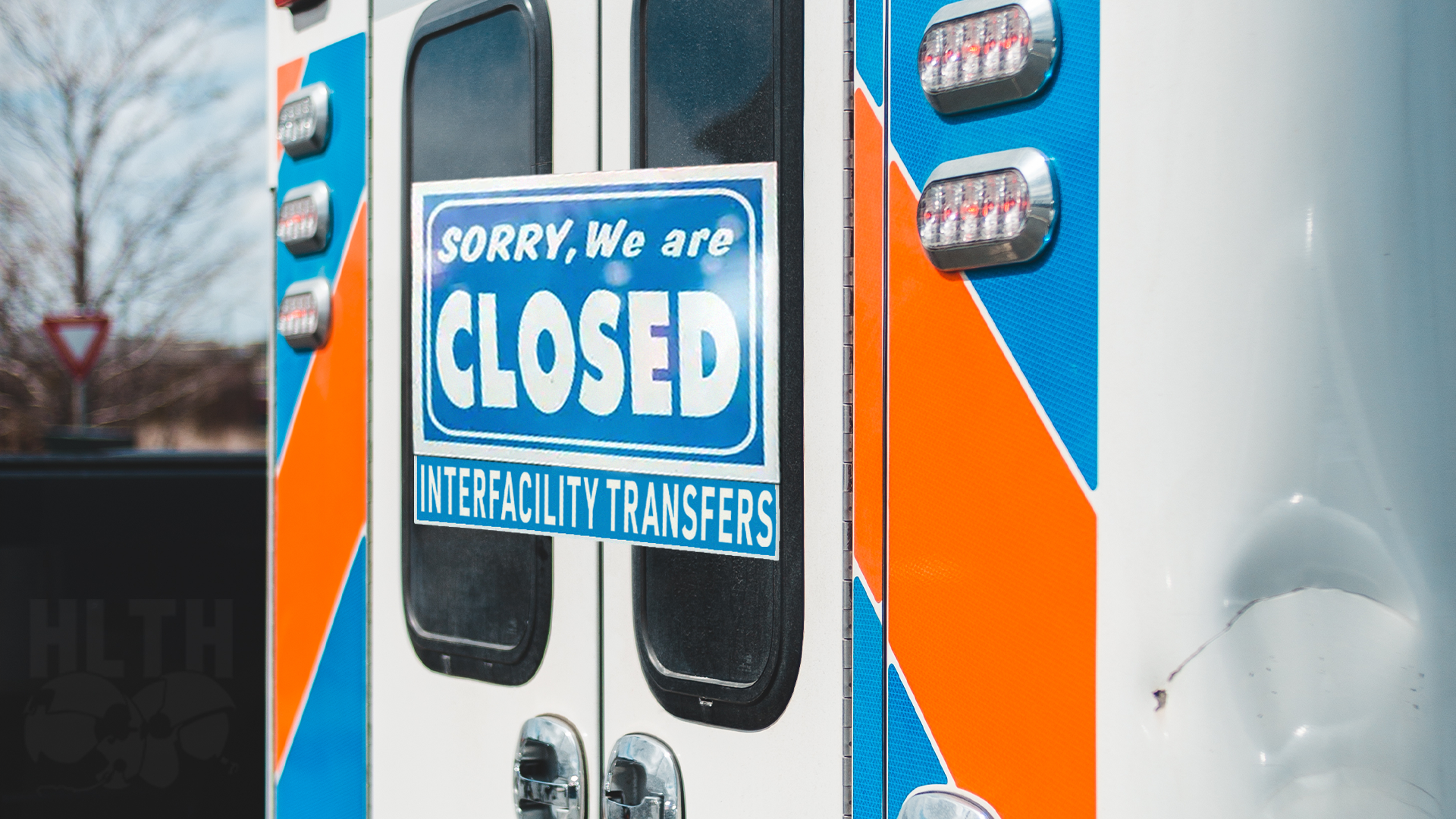
Interfacility transfers are not always indicated at the time and place of which they are being requested. Whether it’s referring provider misinformation or a lack of advocacy by the transport agency, these transfers can result in unnecessary risk for crew members and patients. Specifically, weather conditions, time of day, crew fatigue, and other important factors are not always considered when blindly accepting these transfers. As the transport specialists, how can we ensure that we are accepting and performing these transports safely?
In this episode, Austin Wingate provides a holistic method that you, too, can integrate into your own region.
Download the abstract to the orginal presentation here: Breaking Point_Interfacility Transport NASEMSO Abstract_FINAL
Guest

Austin has been working full-time in public safety since 2006. Austin brings extensive experience as a critical care paramedic, educator, preceptor, and leader to his role as EMS Chief at Grand County EMS in Colorado. Austin is committed to safety, quality, and education, working to enhance EMS operations to meet the needs of the community. He fosters a culture of excellence, innovation, and collaboration to make a lasting impact in prehospital medicine.
American College of Emergency Physicians. (2021). A culture of safety in EMS systems [Policy statement]. https://www.acep.org/globalassets/new-pdfs/policy-statements/a-culture-of-safety-in-ems-systems.pdf
Wang, L (2014) The impact of continuous driving time and rest time on commercial drivers’ driving performance and recovery https://doi.org/10.1016/j.jsr.2014.01.003
Donnelly et. al. . (2019). Fatigue and safety in Paramedicine. Canadian Journal of Emergency Medicine. https://pubmed.ncbi.nlm.nih.gov/31771693/.
Sanddal, T. L., Sanddal, N. D., Ward, N., & Stanley, L. (2010, December 21). Ambulance crash characteristics in the US defined by the popular Press: A retrospective analysis. Emergency Medicine International. https://www.hindawi.com/journals/emi/2010/525979/.
Custalow CB, Gravitz CS. Emergency medical vehicle collisions and potential for preventive intervention. Prehosp Emerg Care. 2004 Apr-Jun;8(2):175-84. doi: 10.1016/s1090-3127(03)00279-x. PMID: 15060853.
Graham, L., Thomas, F. D., Finstad, K., Dennert, R., & Southcott, T. (2023, July). Analysis of ground ambulance crash data from 2012 to 2018 (Report No. DOT HS 813 480). National Highway Traffic Safety Administration.


